Strength From the Inside Out

Tim Dye • Lead Pastor
September 30, 2026

6 Minute Read

There is a difference between a house that looks strong and a house that actually is strong. That difference is not always visible from the outside. It lives in the joints, the roots, the foundation — the parts no one sees until the storm arrives.

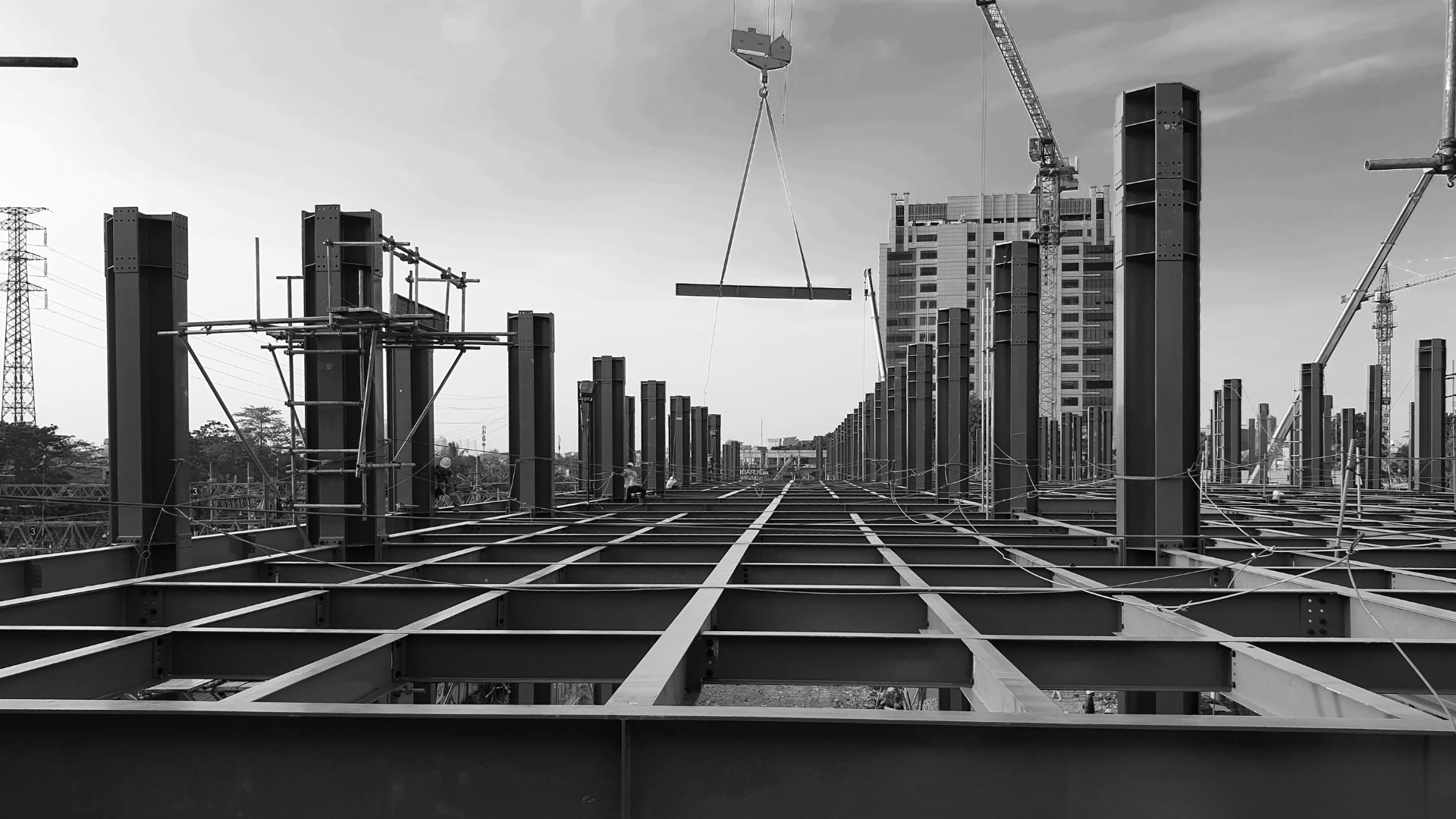
In 1995, an architect made a terrifying discovery about a skyscraper he had designed years earlier in Manhattan. The building was striking - 59 stories of glass and steel, an engineering marvel that sat on four massive pillars positioned along the sides of the structure rather than at its corners. Years after construction, a routine question from an engineering student prompted the architect to recalculate the building's wind load. What he found was alarming. The contractors had used bolt joints instead of welded joints in the load-bearing pillars. A significant storm with quartering winds would cause those bolts to shear, the pillars to buckle, and the entire tower to collapse onto the streets of Manhattan.

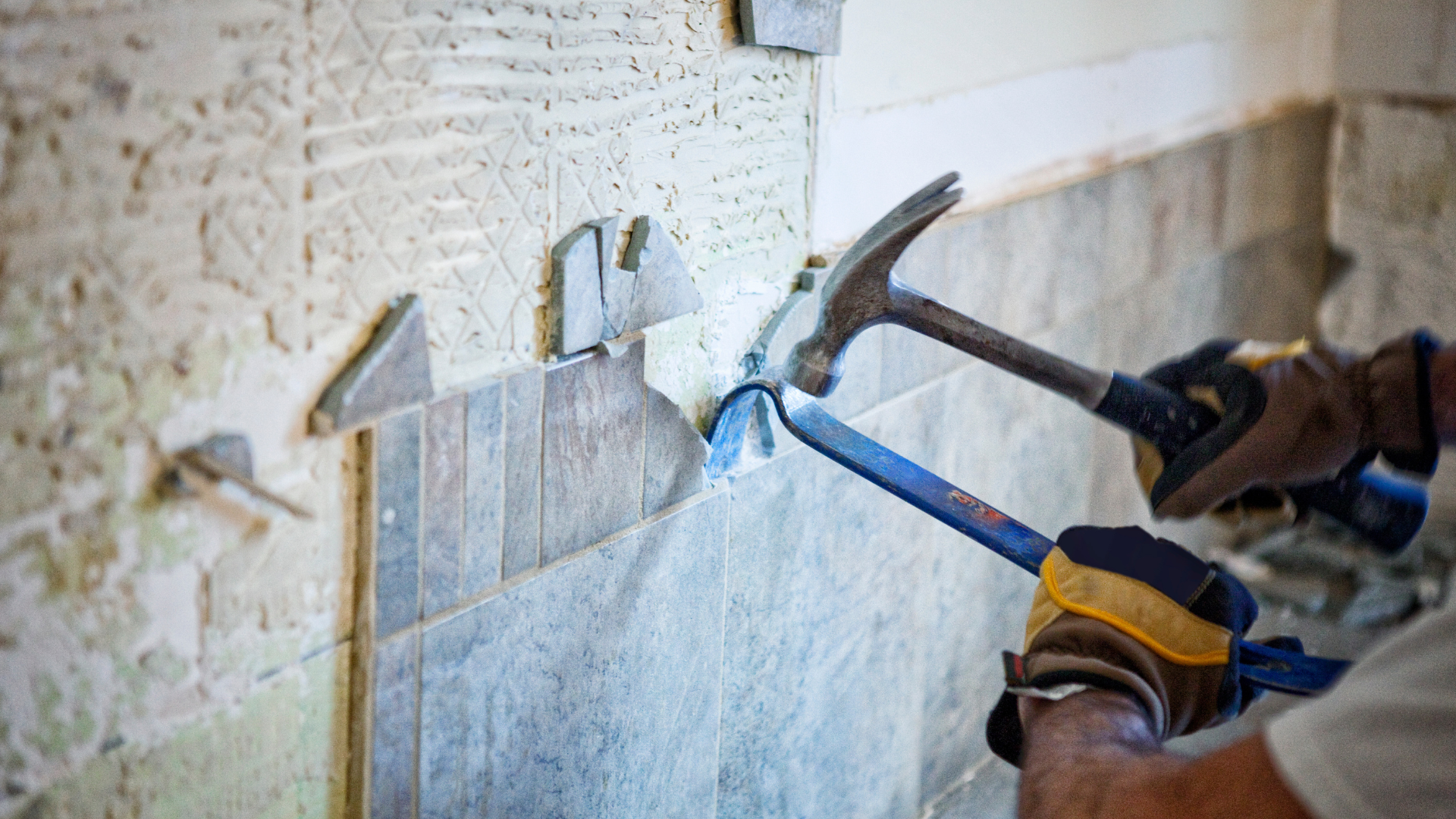
Rather than hide the flaw, the architect coordinated a quiet, months-long emergency operation. Welding crews worked through the night, reinforcing every weak joint with thick steel plates until the structure could bear the pressure it was always meant to hold.

This is a picture of what God is doing in the lives of his people right now.

The Prayer That Changes Everything

In Ephesians 3:14-21, the apostle Paul writes one of the most remarkable prayers in all of Scripture. He is under house arrest in Rome, writing in chains, facing an uncertain outcome. And yet his posture is not anxiety. It is not complaint. He kneels.

That single word - kneel - carries enormous weight. It reveals everything about where Paul believes his strength comes from. If a person believes that everything depends on themselves, they stand in pride and self-reliance. But if a person believes that everything depends on God, they kneel. The posture of a life reveals the source it trusts.

Paul's prayer is not a request for better circumstances. He is not asking God to remove the chains or change the political climate. He is praying that God would strengthen his people with power through his Spirit in their inner being. He is praying that Christ would dwell - not visit, but dwell - in the hearts of believers through faith. He is praying that they would be rooted and grounded in love.

This is the kind of prayer the church desperately needs to recover.

Strength Begins on the Inside

One of the most persistent temptations in the Christian life is to look for strength in the wrong places. More resources. More programs. More activity. More recognition. More control. The assumption is that if we can make the house bigger, it will become stronger. But God is not interested in the size of the house. He is interested in the depth of the people inside it.

Paul's prayer in Ephesians 3:16 is that God would grant his people to be strengthened with power through his Spirit in their inner being. Not first in their circumstances. Not first in their finances or influence. In their inner being.

This is a profound distinction. Much of modern life — and much of modern Christianity — is built on the exterior. We are shaped by what we see, what we want, what others think of us. But God says there is a place on the inside that he wants to reinforce. A place where no one else gets a vote on who you are. A place where God speaks his truth over you regardless of what the world is saying around you.

Christ is not looking for visitation. He is looking for habitation. The goal is not that Jesus would show up occasionally when circumstances are desperate. The goal is that Christ would be at home — dwelling — in the hearts of his people through faith.

Roots That Go Deep Enough

Paul uses two powerful images when he describes what a spiritually strong life looks like. The first is agricultural: roots growing downward into the soil, like a tree. The second is architectural: a foundation going deep into the ground, like a building. Both images point to the same reality. Stability is not found at the surface. It is found in depth.

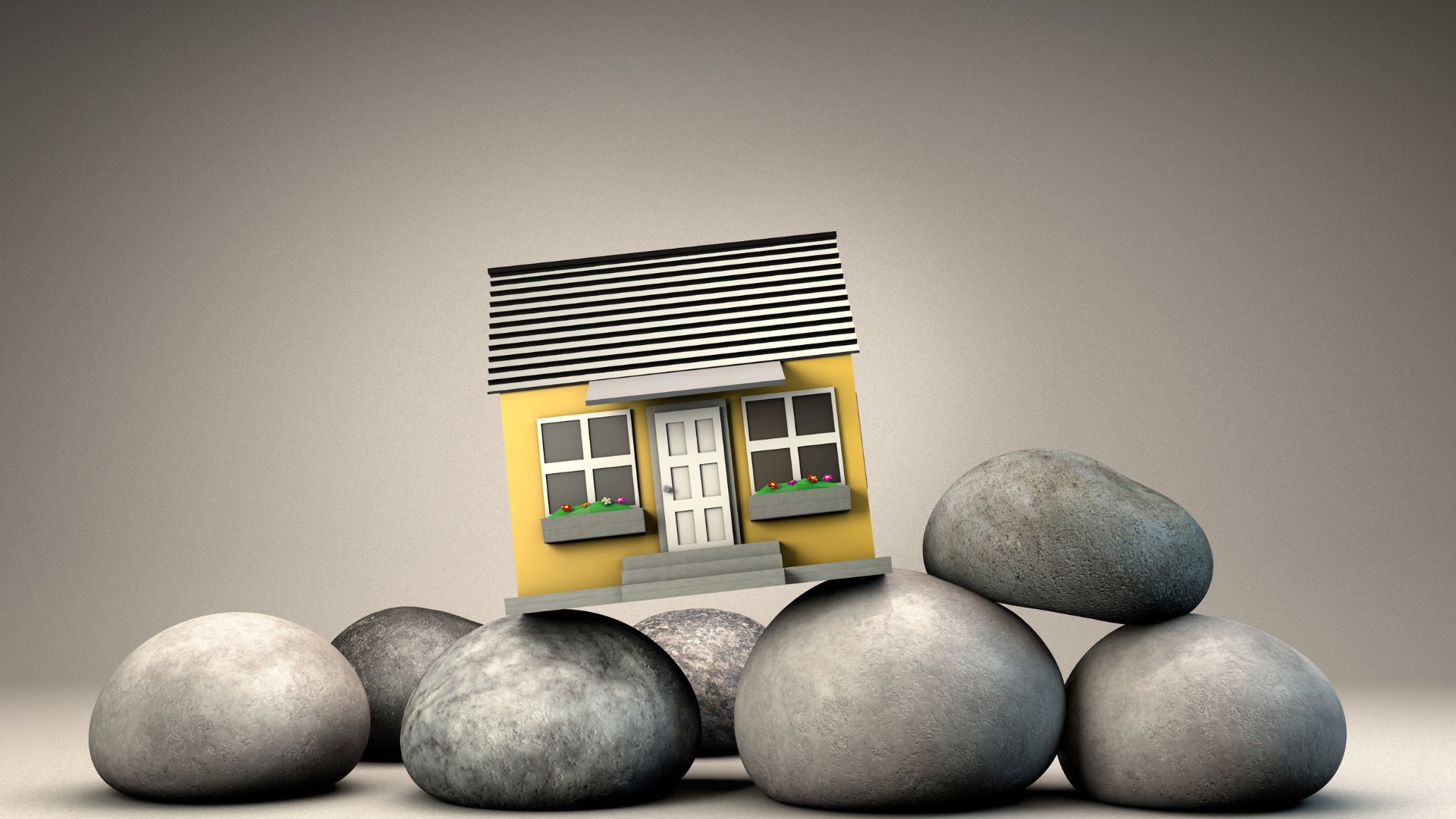
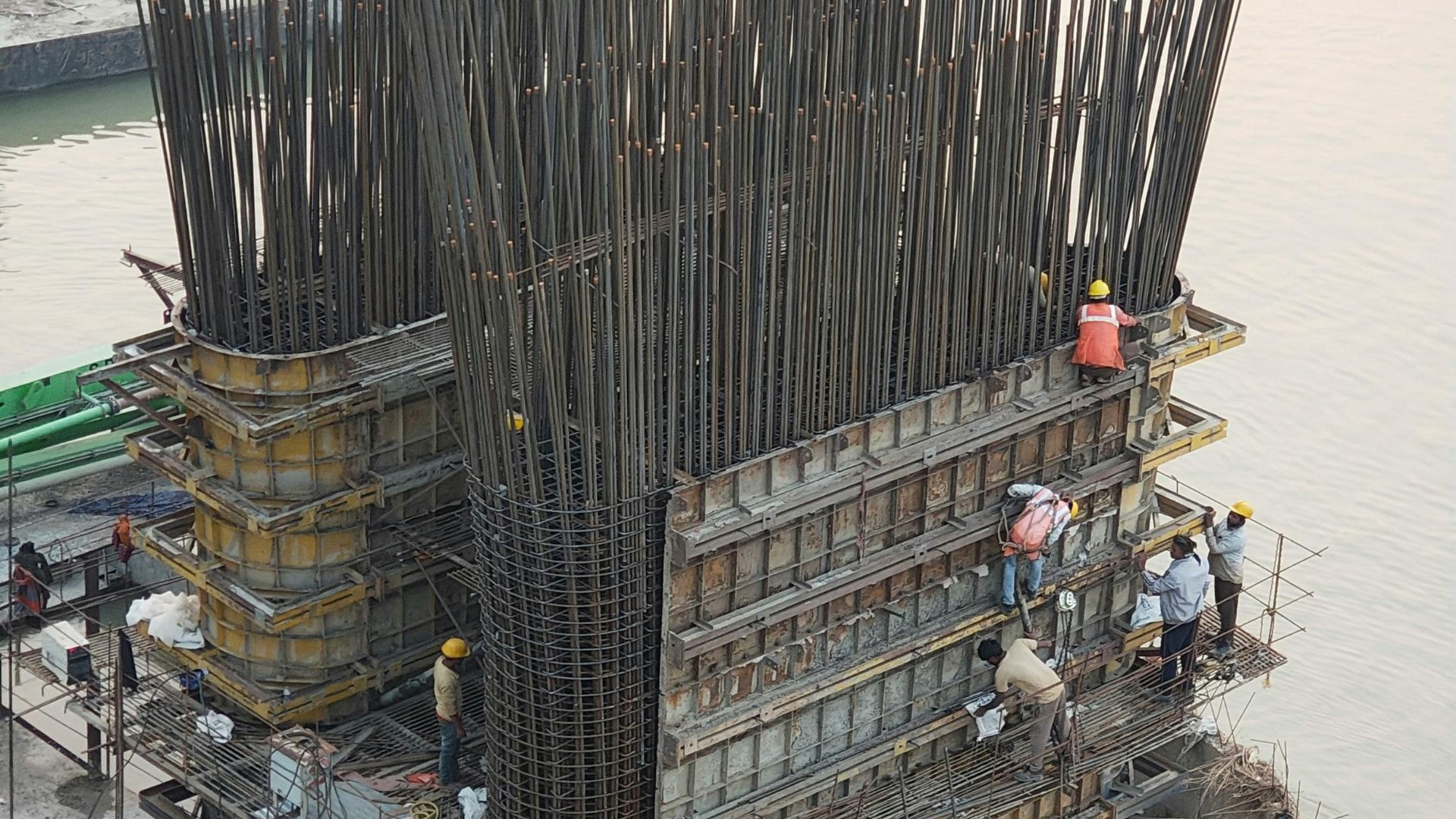
There is a concept in foundation work that speaks to this directly. When the ground is unstable, engineers must drill down past the disturbed soil — past all the shifting, settling, unreliable earth — until they reach undisturbed soil. In some cases, that means going thirty feet down. Only then can a foundation hold.

This is exactly what God is calling his people to. If life feels shaky, if circumstances feel chaotic, if you are constantly tossed by whatever is happening around you, the answer is not to rearrange the surface. The answer is to go deeper. Disturbed soil shakes. Undisturbed soil holds.

And what is that undisturbed soil? Paul names it directly. Love. The love of Christ. He prays that believers would have power to grasp how wide and long and high and deep the love of Christ is — a love that surpasses knowledge, a love that keeps, sustains, forms, finds, seeks, and empowers. This is not sentiment. This is the load-bearing wall of everything God is building.

The Future Belongs to the Rooted

Paul closes his prayer with a burst of praise that has echoed through centuries. He declares in Ephesians 3:20 that God is able to do far more abundantly than we ask or think, according to the power that is at work within us. Not around us. Within us.

The future of any life, any family, any community of faith is not determined by what is happening externally. It is determined by what is happening internally. Information can fill a mind without changing a life. But transformation — the kind that comes from being so deeply rooted in the love of Christ that it becomes the foundation from which you live — that changes everything.

The question worth sitting with today is simple but searching: What are your roots in? If they are in circumstances, circumstances will change. If they are in people's approval, people will fail you. If they are in success, success will eventually give way to suffering. But if the roots go down into the love of Christ, they reach something that never moves, never fails, and never runs out.

That is the house God is building. And he is building it from the inside out.

Up Next
From this Author: Tim Dye
October 14, 2026 • 6 Minute Read
TBD
There is a quiet lie that many believers carry with them into every week. It whispers that your life is essentially the sum of your commute, your paycheck, your routine, and your struggles. It tells you that church is something you attend, faith is something you hold privately, and that the work of building the kingdom belongs to someone else, someone more qualified, more gifted, more available. It is a convincing lie. And it is wrong. The truth is far more compelling. You are an inseparable part of what God is doing in the earth right now. Not someday. Now. The House God Is Building Long before there were modern church buildings with coffee bars and production lighting, there was a people. They were called people of the way. After the events of Acts 2, when the Holy Spirit descended and ignited something that could not be contained, these men and women began to spread a message that changed the world. They did it not because an institution demanded it, but because the Spirit of God had set something alive inside them. The Apostle Paul, writing to the church at Ephesus from a Roman prison cell, was trying to articulate something that generation needed to hear, and that we still need to hear today. In Ephesians 4, verses 14 through 16, he describes a body that is joined and held together by every supporting ligament, growing and building itself up in love as each part does its work. Every part. Not a few dedicated parts. Every part. God never designed the church to be a house where a handful of people do all the work while everyone else watches. He designed it to be a living body, and a body does not function when only one part is active. The Construction Crew Problem Imagine walking onto a construction site and finding twenty people sitting in lawn chairs while one exhausted worker carries lumber, runs electrical wiring, frames walls, lays flooring, and hangs drywall all by himself. You ask what is going on, and someone cheerfully tells you they are building a house. When you ask who is building it, they point to the one man drenched in sweat. That is not a construction crew. That is one exhausted person with an audience. It is also, if we are honest, a painfully accurate picture of how many churches function today. A pastor, a handful of leaders, a faithful few volunteers, and a congregation of observers. Paul would not recognize that as the body he described. A body does not have one functioning part. It has hands, feet, eyes, ears, joints, and muscles, and every single one of them has a purpose that contributes to the whole. Walking Worthy Is Not a Solo Act In Ephesians 4, verse 1, Paul urges believers to walk in a manner worthy of the calling they have received. We tend to read that as a personal challenge about individual behavior, a reminder to be moral, to be kind, to represent Christ well in our private lives. But that reading strips the verse of its full meaning. Walking worthy, in the context Paul is writing, is not something you do alone. It is something you do with the body. With humility, gentleness, and patience. Bearing with one another in love. Eager to maintain the unity of the Spirit through the bond of peace. The worthy walk is fleshed out in community, in commitment, in the sometimes uncomfortable and always refining work of doing life together with other believers. God does not call the individual believer to go off alone, work out their character in isolation, and return when they have it figured out. He works out character in and through the body of Christ. The friction, the forgiveness, the bearing with one another, that is not a flaw in the design. That is the design. Every Part Has a Purpose Paul writes in Ephesians 4, verses 11 and 12, that Christ gave apostles, prophets, evangelists, pastors, and teachers for a specific reason: to equip the saints for the work of ministry, so that the body of Christ might be built up. The offices exist not to do the work for everyone else, but to equip everyone else to do the work. This means the ministry belongs to you. The question is not whether you have a role. You do. The question is whether you know what it is and whether you are willing to step into it. Verse 16 contains a thought that should stop every believer in their tracks. The body grows as each part does its work. Not as the pastor works harder. Not as the most gifted people carry more of the load. As each part does its share. The growth of the church is directly tied to the participation of every member. When parts sit idle, growth is stunted. When every part functions, something remarkable happens. The Cafeteria Moment Consider what it looks like in the most ordinary of settings. Someone stops in a hospital cafeteria to grab a quick lunch before visiting a sick friend from church. A stranger sits down at the same table, and in the course of a brief, unplanned conversation, tears fall. A woman carrying the weight of her own medical scans pauses, looks at the situation of the person being visited, and says quietly that she counts her blessings today. That moment did not happen because someone had a strategy. It happened because someone showed up. Because someone chose to be present, to be available, to let their agenda become God's agenda for the hour. That is the church without walls. That is what it looks like when a member of the body simply does their part. Your Part Is Needed Three questions are worth sitting with this week. First, what has God placed in you? Every believer has been gifted by God to serve the body of Christ. Second, who can you build up this week? Who is stronger because you showed up, served, and loved? Third, where is your place? God has something in you that his house genuinely needs. You are not an observer. You are not an audience member. You are a member of the body, and the body needs you to function. Do not waste the life you have been given. You were made for more.Request prayer
October 12, 2026 • 2 Minute Read
Preparing the House for More
We had a great morning together as we closed out our series on the house that God builds. If you were with us, we hope this recap stirs something fresh in you. If you missed it, we are glad you are here now. Key Takeaways: Christ has already made us His dwelling place. Every spiritual blessing has been given to us. Holiness is not something we reach for - it was delivered to us in Jesus Christ, and the work of renewing our minds is simply uncovering what God has already deposited in us. Real community requires proximity and trust. The New Testament model of the church was never a polished, untouchable environment. It was men and women, broken and being restored, close enough to one another to speak truth in love - not to condemn, but to help each other see what we are blind to on our own. You are called to be healed and then trained. God never intended for His people to remain spectators. The reset happening at Freedom Church is an invitation to stop sitting on the fence, let the old resistance be washed out, and step into the purpose and training God has prepared for each of us. There are things in my life that God's still working on. That is the invitation extended to every one of us - to be open and honest before the Lord and willing to be used and filled by Him. Greater measure is coming for this church. It is coming. With you in this, Pastor Tim Dye
October 7, 2026 • 6 Minute Read
You Were Made for More Than You Think
There is a quiet lie that many believers carry with them into every week. It whispers that your life is essentially the sum of your commute, your paycheck, your routine, and your struggles. It tells you that church is something you attend, faith is something you hold privately, and that the work of building the kingdom belongs to someone else, someone more qualified, more gifted, more available. It is a convincing lie. And it is wrong. The truth is far more compelling. You are an inseparable part of what God is doing in the earth right now. Not someday. Now. The House God Is Building Long before there were modern church buildings with coffee bars and production lighting, there was a people. They were called people of the way. After the events of Acts 2, when the Holy Spirit descended and ignited something that could not be contained, these men and women began to spread a message that changed the world. They did it not because an institution demanded it, but because the Spirit of God had set something alive inside them. The Apostle Paul, writing to the church at Ephesus from a Roman prison cell, was trying to articulate something that generation needed to hear, and that we still need to hear today. In Ephesians 4, verses 14 through 16, he describes a body that is joined and held together by every supporting ligament, growing and building itself up in love as each part does its work. Every part. Not a few dedicated parts. Every part. God never designed the church to be a house where a handful of people do all the work while everyone else watches. He designed it to be a living body, and a body does not function when only one part is active. The Construction Crew Problem Imagine walking onto a construction site and finding twenty people sitting in lawn chairs while one exhausted worker carries lumber, runs electrical wiring, frames walls, lays flooring, and hangs drywall all by himself. You ask what is going on, and someone cheerfully tells you they are building a house. When you ask who is building it, they point to the one man drenched in sweat. That is not a construction crew. That is one exhausted person with an audience. It is also, if we are honest, a painfully accurate picture of how many churches function today. A pastor, a handful of leaders, a faithful few volunteers, and a congregation of observers. Paul would not recognize that as the body he described. A body does not have one functioning part. It has hands, feet, eyes, ears, joints, and muscles, and every single one of them has a purpose that contributes to the whole. Walking Worthy Is Not a Solo Act In Ephesians 4, verse 1, Paul urges believers to walk in a manner worthy of the calling they have received. We tend to read that as a personal challenge about individual behavior, a reminder to be moral, to be kind, to represent Christ well in our private lives. But that reading strips the verse of its full meaning. Walking worthy, in the context Paul is writing, is not something you do alone. It is something you do with the body. With humility, gentleness, and patience. Bearing with one another in love. Eager to maintain the unity of the Spirit through the bond of peace. The worthy walk is fleshed out in community, in commitment, in the sometimes uncomfortable and always refining work of doing life together with other believers. God does not call the individual believer to go off alone, work out their character in isolation, and return when they have it figured out. He works out character in and through the body of Christ. The friction, the forgiveness, the bearing with one another, that is not a flaw in the design. That is the design. Every Part Has a Purpose Paul writes in Ephesians 4, verses 11 and 12, that Christ gave apostles, prophets, evangelists, pastors, and teachers for a specific reason: to equip the saints for the work of ministry, so that the body of Christ might be built up. The offices exist not to do the work for everyone else, but to equip everyone else to do the work. This means the ministry belongs to you. The question is not whether you have a role. You do. The question is whether you know what it is and whether you are willing to step into it. Verse 16 contains a thought that should stop every believer in their tracks. The body grows as each part does its work. Not as the pastor works harder. Not as the most gifted people carry more of the load. As each part does its share. The growth of the church is directly tied to the participation of every member. When parts sit idle, growth is stunted. When every part functions, something remarkable happens. The Cafeteria Moment Consider what it looks like in the most ordinary of settings. Someone stops in a hospital cafeteria to grab a quick lunch before visiting a sick friend from church. A stranger sits down at the same table, and in the course of a brief, unplanned conversation, tears fall. A woman carrying the weight of her own medical scans pauses, looks at the situation of the person being visited, and says quietly that she counts her blessings today. That moment did not happen because someone had a strategy. It happened because someone showed up. Because someone chose to be present, to be available, to let their agenda become God's agenda for the hour. That is the church without walls. That is what it looks like when a member of the body simply does their part. Your Part Is Needed Three questions are worth sitting with this week. First, what has God placed in you? Every believer has been gifted by God to serve the body of Christ. Second, who can you build up this week? Who is stronger because you showed up, served, and loved? Third, where is your place? God has something in you that his house genuinely needs. You are not an observer. You are not an audience member. You are a member of the body, and the body needs you to function. Do not waste the life you have been given. You were made for more.Request prayer
October 5, 2026 • 2 Minute Read
There Are No Spectators
What a powerful morning we shared together in the Word. It is always a privilege to gather as a body and be reminded of who we are in Christ and what we are called to do together. Key Takeaways: Every believer is gifted and necessary. God has placed something in you that His body genuinely needs. The gifts listed in Ephesians 4 were given not for personal benefit but for the equipping of the saints and the building up of the body of Christ. Discovering and using your gift is not optional -- it is an act of obedience. The church grows when every part does its share. Ephesians 4:16 makes clear that growth in the body is directly tied to every member functioning in their role. When parts are inactive or disconnected, the whole body suffers. Unity, character development, and maturity are not solo pursuits -- they are forged in community with one another. Your everyday life is a mission field. The church does not only exist within these walls. Whether you are in a hospital cafeteria, a workplace, or a neighborhood, you carry the presence of Christ with you. Keeping your agenda open to God's agenda positions you to advance His kingdom in ways you may never have planned or expected. As you go into this week, take time to sit with Ephesians 4:1-16 and ask the Lord to show you where you fit in the body, who you can build up through service and love, and how your daily life can reflect the calling you have received. You were made for more than just getting by. You are part of the house God is building, and that house needs you. Let’s keep going, Pastor Tim Dye
September 30, 2026 • 6 Minute Read
Strength From the Inside Out
There is a difference between a house that looks strong and a house that actually is strong. That difference is not always visible from the outside. It lives in the joints, the roots, the foundation — the parts no one sees until the storm arrives. In 1995, an architect made a terrifying discovery about a skyscraper he had designed years earlier in Manhattan. The building was striking - 59 stories of glass and steel, an engineering marvel that sat on four massive pillars positioned along the sides of the structure rather than at its corners. Years after construction, a routine question from an engineering student prompted the architect to recalculate the building's wind load. What he found was alarming. The contractors had used bolt joints instead of welded joints in the load-bearing pillars. A significant storm with quartering winds would cause those bolts to shear, the pillars to buckle, and the entire tower to collapse onto the streets of Manhattan. Rather than hide the flaw, the architect coordinated a quiet, months-long emergency operation. Welding crews worked through the night, reinforcing every weak joint with thick steel plates until the structure could bear the pressure it was always meant to hold. This is a picture of what God is doing in the lives of his people right now. The Prayer That Changes Everything In Ephesians 3:14-21, the apostle Paul writes one of the most remarkable prayers in all of Scripture. He is under house arrest in Rome, writing in chains, facing an uncertain outcome. And yet his posture is not anxiety. It is not complaint. He kneels. That single word - kneel - carries enormous weight. It reveals everything about where Paul believes his strength comes from. If a person believes that everything depends on themselves, they stand in pride and self-reliance. But if a person believes that everything depends on God, they kneel. The posture of a life reveals the source it trusts. Paul's prayer is not a request for better circumstances. He is not asking God to remove the chains or change the political climate. He is praying that God would strengthen his people with power through his Spirit in their inner being. He is praying that Christ would dwell - not visit, but dwell - in the hearts of believers through faith. He is praying that they would be rooted and grounded in love. This is the kind of prayer the church desperately needs to recover. Strength Begins on the Inside One of the most persistent temptations in the Christian life is to look for strength in the wrong places. More resources. More programs. More activity. More recognition. More control. The assumption is that if we can make the house bigger, it will become stronger. But God is not interested in the size of the house. He is interested in the depth of the people inside it. Paul's prayer in Ephesians 3:16 is that God would grant his people to be strengthened with power through his Spirit in their inner being. Not first in their circumstances. Not first in their finances or influence. In their inner being. This is a profound distinction. Much of modern life — and much of modern Christianity — is built on the exterior. We are shaped by what we see, what we want, what others think of us. But God says there is a place on the inside that he wants to reinforce. A place where no one else gets a vote on who you are. A place where God speaks his truth over you regardless of what the world is saying around you. Christ is not looking for visitation. He is looking for habitation. The goal is not that Jesus would show up occasionally when circumstances are desperate. The goal is that Christ would be at home — dwelling — in the hearts of his people through faith. Roots That Go Deep Enough Paul uses two powerful images when he describes what a spiritually strong life looks like. The first is agricultural: roots growing downward into the soil, like a tree. The second is architectural: a foundation going deep into the ground, like a building. Both images point to the same reality. Stability is not found at the surface. It is found in depth. There is a concept in foundation work that speaks to this directly. When the ground is unstable, engineers must drill down past the disturbed soil — past all the shifting, settling, unreliable earth — until they reach undisturbed soil. In some cases, that means going thirty feet down. Only then can a foundation hold. This is exactly what God is calling his people to. If life feels shaky, if circumstances feel chaotic, if you are constantly tossed by whatever is happening around you, the answer is not to rearrange the surface. The answer is to go deeper. Disturbed soil shakes. Undisturbed soil holds. And what is that undisturbed soil? Paul names it directly. Love. The love of Christ. He prays that believers would have power to grasp how wide and long and high and deep the love of Christ is — a love that surpasses knowledge, a love that keeps, sustains, forms, finds, seeks, and empowers. This is not sentiment. This is the load-bearing wall of everything God is building. The Future Belongs to the Rooted Paul closes his prayer with a burst of praise that has echoed through centuries. He declares in Ephesians 3:20 that God is able to do far more abundantly than we ask or think, according to the power that is at work within us. Not around us. Within us. The future of any life, any family, any community of faith is not determined by what is happening externally. It is determined by what is happening internally. Information can fill a mind without changing a life. But transformation — the kind that comes from being so deeply rooted in the love of Christ that it becomes the foundation from which you live — that changes everything. The question worth sitting with today is simple but searching: What are your roots in? If they are in circumstances, circumstances will change. If they are in people's approval, people will fail you. If they are in success, success will eventually give way to suffering. But if the roots go down into the love of Christ, they reach something that never moves, never fails, and never runs out. That is the house God is building. And he is building it from the inside out.Request prayer
September 28, 2026 • 2 Minute Read
Built From Within
What a powerful time we had together this Sunday. If you were with us, we pray this recap stirs your heart again. If you missed it, we trust these words will encourage and challenge you right where you are. Key Takeaways: The posture of the house is kneeling. Paul wrote from chains in Rome and his first response was prayer, not anxiety. The posture of a church reveals what it believes about its source. If we believe everything depends on us, we will stand in pride. If we believe everything depends on God, we will kneel. A church can be organized, active, and prayerless all at the same time. Let that not be said of us. The strength of the house is the indwelling of Christ. God's priority is not first to fix your circumstances but to strengthen your inner being through his Spirit. Christ is not looking for visitation in your life - he is looking for inhabitation. There is a place in your innermost being where no outside voice gets the final word. That is where God speaks, strengthens, and sustains you. The roots of the house are love. Paul uses both agricultural and architectural language - rooted like a tree, grounded like a foundation. Information can fill your head without strengthening your house, but transformation happens when the love of Christ becomes the foundation from which you live. If your roots are in circumstances, approval, or success, they will shift. The love of Christ never does. As you head into this week, we want to leave you with three simple invitations from the message: release control and stop trying to hold your own house up, hand over the keys and let Christ truly dwell in your heart, and build on what lasts by going deeper into the love of God. Communion this Sunday was a reminder that everything we hold in our hands came to us through love. May that love be the ground beneath everything you do this week. With you in this, Pastor Tim Dye
September 23, 2026 • 6 Minute Read
Torn Down
There is something deeply human about building walls. We do it instinctively, almost without thinking. We sort people into categories — insiders and outsiders, those who belong and those who do not. We organize ourselves by neighborhood, by preference, by history, by hurt. And over time, those walls stop feeling like walls at all. They just become the culture. They become the way things are. But what if the cross of Jesus Christ was not only about restoring your relationship with God? What if it was also about tearing down every wall you have ever built between yourself and another person? That is exactly what the Apostle Paul is driving at in Ephesians chapter 2, verses 11 through 22. And it is a passage that demands more than a casual reading. Remember Where You Came From Paul opens this section with a word that carries real weight: remember. He calls his readers to look back at what they once were before Christ entered the picture. The list he stacks up is sobering. Separated from Christ. Excluded from the covenant. Foreigners to the promise. Without hope. Without God in the world. This is not Paul shaming his audience. It is Paul grounding them. Because you cannot fully appreciate what you have been given until you honestly reckon with what you were without it. Every single one of us, before we came to faith, was on the outside looking in. We were not part of the family. We were not citizens. We had no claim on the promise. That is the baseline. That is where we all started. But Now Then Paul pivots with two of the most powerful words in all of Scripture. But now. In Ephesians 2:13, he writes that those who were once far off have been brought near by the blood of Christ. The distance that once defined us has been collapsed. Not by our effort, not by our merit, not by our religious performance, but by the blood of Jesus. And then Paul says something that ought to stop us in our tracks. He does not say that Jesus gives us peace as though peace were a product Christ distributes to individual consumers. He says that Jesus himself is our peace. There is a world of difference between those two statements. One treats peace as a benefit to be received. The other recognizes peace as a person to be known. This distinction matters enormously for how we understand the church. We live in a culture that has trained us to approach faith as consumers. We want the benefits of belonging to Christ without the inconvenience of belonging to one another. We want peace, joy, and healing, but we want them delivered privately, personally, and on our own terms. The problem is that this is not the design Paul is describing. The Wall That Was Torn Down In Ephesians 2:14, Paul says that Christ has destroyed the barrier, the dividing wall of hostility. In the ancient world, this carried a vivid and literal meaning. In the Jerusalem temple, there was an actual physical barrier separating the court of the Gentiles from the inner courts where Israel worshipped. Gentiles were not permitted beyond it. The wall was real, and what it communicated was unmistakable: you do not belong here. Christ demolished that wall. Not metaphorically. Not eventually. He demolished it through the cross, by setting aside the law with its commands and regulations, as Paul writes in verse 15, for the purpose of creating in himself one new humanity out of two. Read that again. One new humanity. Not two groups learning to tolerate each other. Not two communities agreeing to coexist politely. One new people, formed together in Christ, reconciled both to God and to one another through the same cross. This means that the same cross that deals with your sin before God also deals with the hostility between you and the person sitting across from you. You cannot separate those two realities. They are both accomplished by the same act. The House God Is Building By the time Paul reaches verses 19 through 22, the language shifts to architecture. You are no longer strangers and foreigners, he writes in verse 19. You are fellow citizens with God's people and members of his household. Built on the foundation of the apostles and prophets, with Christ Jesus himself as the cornerstone, the whole structure is joined together and rises to become a holy temple in the Lord. God is not building a collection of individual spiritual retreats. He is building a house. A dwelling place. A temple in which he himself lives by his Spirit. And you are part of it. Not a visitor. Not a guest with limited access. A member of the household. This reframes everything about what it means to follow Jesus. It means your faith is not a solo endeavor. It never was. The walls between you and other believers are not incidental inconveniences to be managed. They are structural problems that contradict the very thing Christ died to accomplish. What Walls Need to Come Down in Your Life The question Paul's words press us toward is both personal and uncomfortable. What walls have you built? Some are built on preference — they do not worship the way I do, they do not come from where I come from, they do not do things the way I would do them. Preference is not inherently sinful, but preference becomes dangerous when it becomes a boundary for belonging. Some walls are built on history. Something actually happened. Someone hurt you, betrayed you, or walked away. Those wounds are real, and wisdom sometimes requires a boundary. But there is a difference between a healthy boundary and a kingdom of bitterness. The gospel refuses to let what happened to you become your permanent identity. And underneath all of it is the question of identity itself. Paul's answer is clear. Your deepest identity is no longer defined by your background, your ethnicity, your politics, your denomination, or your wounds. Your deepest identity is that you are in Christ. Not near him. Not beside him. In him. When that becomes the foundation, the walls lose their authority. And what begins to rise in their place is something far greater than any wall you could ever build — the house that God himself is building, a dwelling place where there are no strangers, only family.Request prayer
September 21, 2026 • 2 Minute Read
No More Strangers
What an awesome Sunday we had continuing our series in Ephesians. If you were with us in person, we hope this recap stirs your heart again. If you missed it, I hope this summary will encourage and challenge you as you go about your week. Key Takeaways: Unchecked walls become culture. Whether rooted in preference, personal history, or pride — can quietly become the culture of a church if left unchallenged. We must regularly examine our hearts and ask what walls we have constructed that God never authorized, and be willing to let the Holy Spirit tear them down. The cross made us one family. The cross did not simply make enemies into better neighbors. It made them one family. Jesus Himself is our peace, not merely the one who delivers peace to us. That means true unity in the church is not manufactured through programs or personality, but through a shared and deepening surrender to Christ as Lord. Our identity in Christ outranks every label. Our deepest identity is no longer defined by background, wound, denomination, or preference. We are in Christ. That identity outranks every other label we carry, and when we truly live from that place, the walls lose their authority over us and over our community. As you go into this week, take a moment to reflect honestly on who you have mentally placed outside the house. Is there someone you have dismissed, avoided, or written off? The same cross that brought you near has brought them near as well. Let that truth move you toward someone this week. We are so grateful to do this together. You are not a visitor here. You are family. Pastor Tim Dye
September 16, 2026 • 6 Minute Read
Dead Men Made Alive
There is a particular kind of exhaustion that comes from trying to construct a version of yourself that God will finally be pleased with. You know the feeling. You attend more services, volunteer more hours, clean up your language, cut out the bad habits, compare your progress against the people around you, and still walk away with the quiet, nagging sense that it is not quite enough. That you are not quite enough. This is the treadmill of self-construction, and it is one of the most spiritually draining places a person can live. The second chapter of Ephesians tears that treadmill out of the floor entirely. The Raw Material God Actually Uses Paul opens Ephesians 2 not with a motivational charge or a list of qualifications. He opens with a funeral. He describes the human condition before Christ as one of spiritual death, a state in which people were not merely struggling or misguided or underperforming, but genuinely, completely dead. Dead in trespasses and sin. Shaped by the surrounding culture. Driven by personal desire and appetite. Subject to the judgment that such a condition rightfully invites. This is not Paul describing a bad week. This is Paul describing a condition. And the distinction matters enormously, because we live in a culture that is very good at diagnosing bad weeks. We have self-help frameworks and positive thinking strategies and motivational content designed to lift us out of our low moments. None of that is entirely without value. But none of it can resurrect a corpse. A corpse does not become alive by becoming a better corpse. The problem was never that humanity needed better behavior. The problem was that humanity needed life. This is where Paul's three-part description of the unredeemed condition lands with such weight. Dead to sin. Following the course of the world. Driven by the desires of the flesh and the mind. These are not three descriptions of bad habits. They are three ways of saying that without Christ, the human soul has no independent capacity to turn itself toward God. The direction of a life apart from Him runs consistently away from Him, shaped by forces that are not leading anywhere good. But God Two words in verse 4 change everything. But. God. These may be the most dramatic pivot in all of Scripture. Everything Paul has just described, the death, the disobedience, the deserved judgment, the utter helplessness of the human condition, gets interrupted by the character and initiative of God Himself. Not because humanity earned an interruption. Not because someone finally got their act together enough to deserve a second look. But because God is rich in mercy and moved by great love. Mercy, in this context, means God withholding the punishment that the condition actually deserved. And Paul does not merely say that God is merciful. He says God is rich in mercy. Abundantly, extravagantly, overwhelmingly merciful. This is not a God who reluctantly extends grace to people who have finally cleaned themselves up enough to qualify. This is a God who looked at dead people with profound compassion and moved toward them anyway. From that mercy and love, Paul describes three movements that God makes on behalf of those who were spiritually dead. He made them alive with Christ. He raised them up. And He seated them with Christ in the heavenly realms. Each movement builds on the last. First, life is given where there was none. Then, a completely new standing is established, one that is no longer defined by the old condition. Then, a position of spiritual security and rest is granted, the ancient image of sitting beside a king and sharing in his victory. This is not a moral upgrade. This is a resurrection. The Gift That Cannot Be Earned Ephesians 2:8-9 contains perhaps the most well-known statement in the entire letter. Salvation comes by grace through faith, not as a result of human effort or achievement, so that no one has grounds for boasting. Paul is closing a door firmly. The gift cannot be purchased, earned, or deserved. The moment someone tries to pay for it, they have misunderstood what it is. There is something quietly liberating about this, and also something that requires a genuine shift in thinking. So much of the religious impulse, even among sincere believers, runs toward proving worth. God saved me, so now I must demonstrate that I was worth saving. But that framing, however well-intentioned, corrupts the gift. It turns grace into a transaction. It places the burden back on human effort and reintroduces the exhaustion that grace was meant to end. The goal of the Christian life is not to pay God back. It cannot be. The gift does not work that way. A Poem, Not a Renovation Project Verse 10 introduces a word that reframes everything. The Greek word translated as workmanship or handiwork is the word from which we derive the English word poem. Believers are described as something God has crafted, composed, and inspired, not a building project that humanity is managing, but a work that God Himself is authoring. This distinction is significant. A renovation project starts with something existing and tries to improve it. A poem starts with intention, with something the author wants to express, and builds toward that from the beginning. God is not renovating people. He is writing something. And the story He writes begins not with impressiveness, but with death, and moves through grace toward life, purpose, and good works that He himself prepared in advance. Those good works are not the means of salvation. They are its outflow. They are the evidence that something real happened, that a life once pointed in one direction has been turned and is now moving differently, participating in what God is building rather than straining to construct something on its own. The Only Question That Matters All of this lands on a single, searching question. Are you alive? Not, are you doing enough? Not, are you better than you used to be? Not, are you better than the person next to you? Simply this: have you received the life that God offers through Christ? Because if you have, then your past does not define you, your failures do not trap you, and the circumstances pressing in around you this week are not the measure of your worth or your future. You were dead. But. God. That is the whole story. And it changes everything.Request prayer
September 14, 2026 • 2 Minute Read
You Were Dead, But God Made You Alive
What a powerful morning we shared together as we continued our series, The House That God Built. The Word of God met us right where we are, and I pray it continues to work in you throughout this week. Takeaways: Stop trusting in your own construction. You cannot moralize, serve, attend, or perform your way into what only God can do. The invitation is not to renovate yourself but to receive what he has freely given. Salvation is a gift, and gifts are not earned. Let your past be gone. Your past may explain where you have been, but it does not get to define where you are going. Paul writes of death in the past tense and life as a present reality. You have been made alive, raised up, and seated with Christ. That is your identity today. Ask what God created you to do. You are not here simply to exist. You are saved to participate in what God is building. The good works he has prepared for you are not the means of your salvation — they are the outflow of it. Step into them this week. As you move through your week, I want to encourage you to keep this truth close: the measure of your life is not your circumstances, your failures, or your struggles. It is the life that has been breathed into you by a God who is rich in mercy. You were dead, and he made you alive. Let that reality shape everything. I am grateful to walk this journey with each of you. See you next week. Pastor Tim Dye
September 9, 2026 • 6 Minute Read
The House That Stands
If you walked into a city and someone told you to find the strongest building, what would you look for? Most of us would gravitate toward the tallest structure, the thickest walls, the most impressive architecture. We would follow the money, the influence, the visibility. Strength, we assume, looks like strength. But what happens when the most powerful thing in the room does not look powerful at all? That question sits at the heart of one of the most remarkable passages in the New Testament. In Ephesians 1, the apostle Paul writes to a church located in one of the most affluent and influential cities of the ancient world. Ephesus was a commerce hub, a center of wealth and political power. And towering over the city stood the Temple of Artemis, one of the ancient world's most breathtaking structures. It was the kind of monument that made people feel small. It was the kind of thing that made power look permanent. And yet Paul, writing from prison while chained to a Roman guard, does not tell the church at Ephesus to compete with any of it. He does not pray for more influence, more visibility, or a bigger platform. He prays that God would open their eyes. That distinction matters enormously. The Trap of What We Can See We are conditioned to measure reality by what is visible. We measure churches by attendance and budgets. We measure people by careers and neighborhoods. We measure our own lives by what we can control and what we can afford. None of these things are inherently wrong, but they make terrible foundations. Visible things can give the appearance of security without the substance of it. The Temple of Artemis looked permanent. Rome looked permanent. Caesar looked permanent. None of them were. This is precisely why Paul's prayer in Ephesians 1:17-18 is so striking. He does not ask God to give the church more resources or more recognition. He asks that God would give them the spirit of wisdom and revelation, and that the eyes of their hearts would be enlightened. He is not praying for more information. He is praying for an entirely different way of seeing. Christianity is not simply the act of receiving new information about God. It is receiving new eyes through which to interpret a new reality. You can look at the same set of circumstances and see them in completely different ways depending on where your vision is anchored. Paul was in prison. Jesus was on the throne. The church was small. Christ was filling everything. Rome looked powerful. Jesus was Lord. Same world. Entirely different vision. The Power That Cannot Be Borrowed or Threatened Paul does not stop at the prayer. He goes on to describe the power that is already available to those who belong to Christ, and the language he uses is staggering. He stacks word upon word in the original Greek to try to capture what human language can barely contain. There is dunamis, the explosive, dynamic power from which we derive the word dynamite. There is energia, a working, active power. There is kratos, strength expressed through authority. There is ischus, the raw capacity and force behind something. All of it, Paul says in Ephesians 1:19-20, is directed toward those who believe. And then he anchors it to a single, defining event. This is the same power, he writes, that raised Christ from the dead. Think about what that means. The greatest demonstration of God's power was not that he created something out of nothing. It was that he brought dead things back to life. And that same resurrection power is not theoretical. It is not dormant. It is not borrowed, and it is not threatened by anything happening in the world around us. The question that follows is deeply personal. Are there areas of your life where you have been living as though that power is unavailable to you? Places where dead thinking has settled in, where exhaustion has taken root, where you have been straining to steer your own life through sheer effort? The invitation here is to stop praying in vague, general terms and start naming things specifically. Transformation tends to happen in the specific, not the general. When we bring particular struggles, particular fears, and particular needs before God, something shifts. The Body, Not the Building Paul closes this section of Ephesians 1 with a declaration that reframes everything. God placed all things under Christ's feet and appointed him as head over everything, and then Paul identifies what that means for the church. The church, he writes in Ephesians 1:22-23, is his body, the fullness of him who fills everything in every way. Not his audience. Not his customer base. Not a weekly event. His body. This is the identity that changes everything. The church is not an institution that Christ founded and left behind. It is the living expression of his presence in the world. Those who are in Christ carry that reality with them not just inside a building on a Sunday morning, but wherever they go throughout the week. And the foundation of that body is not its size, its programs, its reputation, or its leadership. The foundation is Christ himself. The house stands because he is. Everything else, every earthly construct built on something other than him, will eventually be shaken. A Question Worth Answering So here is the honest question this passage puts before us. What are you trusting right now to give you security that only Christ can give? A career, a relationship, a financial position, your own ability to manage circumstances? These things were never designed to carry that weight. And the reason so many of us are exhausted is that we are doing what only God can do. The invitation today is threefold. Repent from false foundations. Ask God to open the eyes of your heart to see what he is actually doing. And reorient your understanding of what the church is and what it is for. The only house that will ultimately stand is the one the Lord is building. And the remarkable news is that if you belong to Christ, you are already part of it.Request prayer
September 7, 2026 • 2 Minute Read
We Are the House That God Builds
What a powerful morning we shared together as we launched our new six-week series in the book of Ephesians. It was a reminder that what God is building among us is far greater than anything we could construct on our own. During the message we explored Paul's prayer in Ephesians 1 and what it means for the church to be the body of Christ -- the house that God builds. Drawing on the backdrop of Paul writing from prison to a small church overshadowed by the massive temple of Artemis in Ephesus, I challenged us to stop measuring God's work by what is visible and to instead ask God to open the eyes of our hearts. The same resurrection power that raised Christ from the dead and seated him above every rule, authority, power, and dominion is the very power at work in us as believers. The church is not an institution, a weekly event, or a fan club -- it is the body of Christ, the fullness of him who fills everything in every way. Here’s a Few Key Takeaways for Us To Remember: We must confront the trap of measuring God's house by what we can see. Visible things -- attendance, budgets, buildings, influence -- can give the appearance of strength without the substance of it. Paul's prayer was not for the church to compete with the powers around them, but for the eyes of their hearts to be opened to a different reality altogether. The power available to believers is resurrection power. It is the same power described in Ephesians 1:19-20 -- not theoretical, not dormant, not borrowed, and not threatened. God's greatest demonstration was not making something out of nothing; it was bringing dead things to life. That power is personally and specifically available to each of us who believe. The church exists because Christ is building it, not because we have built it. We are his body, and our foundation is not our programs, our reputation, or our pastor -- it is Christ himself. When we labor to fix what only God can build, we exhaust ourselves. The call is to repent from false foundations and reorient our lives around what Christ is doing through his Spirit in his body. I am grateful to walk this journey with each of you. See you next week. Pastor Tim Dye