There is a question that has the power to reshape everything about the way you approach God. Not a complicated question, not a theological riddle, but a simple and searching one: What is authentic to you, God?
Not what feels authentic to us. Not what tradition has handed down, not what makes us feel the most moved or the most comfortable. What is authentic to God? That question cuts through decades of assumption, habit, and preference, and it lands somewhere most of us are not prepared to go.
And that is exactly where we need to start.
A Story With Unexpected Tension
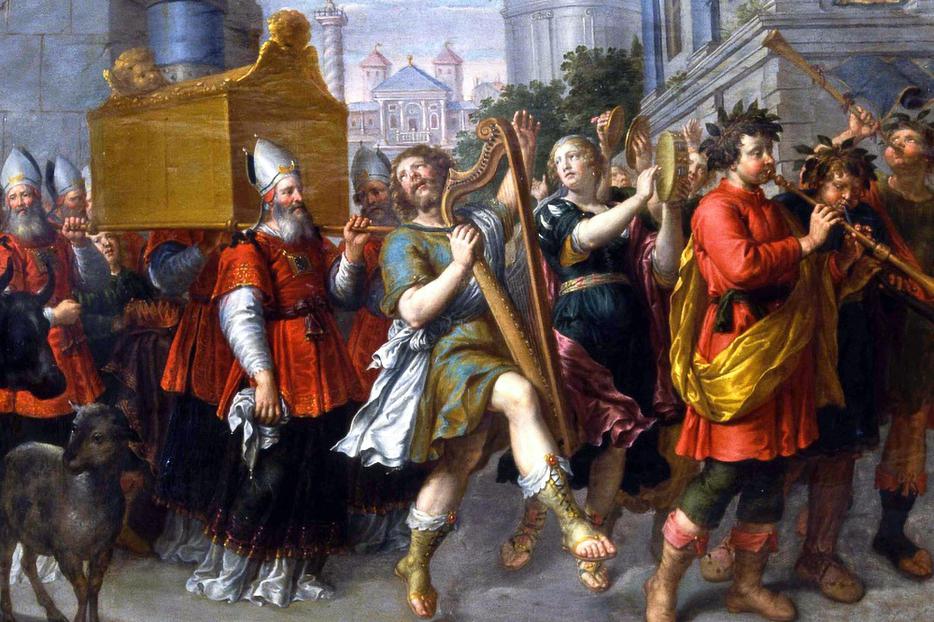
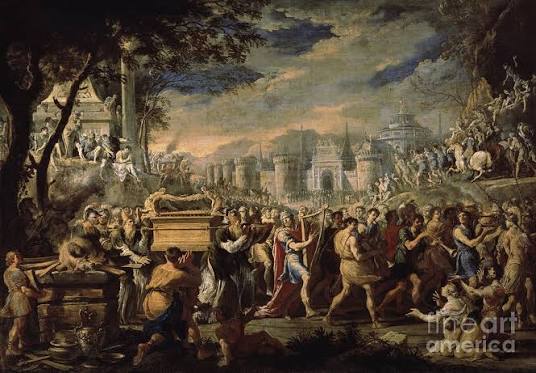
In 1 Chronicles 13, there is a worship story that most people would rather skip over. David, described elsewhere in Scripture as a man after God's own heart, decides it is time to bring the ark of God back to Jerusalem. The ark was not merely a religious artifact. It was the tangible symbol of God's presence among Israel, the visible reminder that God was moving with his people, guiding them, speaking to them, leading them forward.
David gathers the nation. The desire is right. The excitement is genuine. They load the ark onto a new cart, and the celebration begins in full. There is music, singing, instruments, and passion. By every external measure, this looks like an extraordinary worship service.
And then a man named Uzzah reaches out to steady the ark when the oxen stumble, and God strikes him dead.
The celebration stops. David is angry. David is afraid. And the ark never makes it to Jerusalem that day.
If you felt the tension in that story, good. You are supposed to. Because the tension is the point.
Good Intentions Are Not Enough
The first and most uncomfortable truth this passage confronts us with is that good intentions do not automatically produce good worship. David wanted God's presence. His desire was completely right. But the method was completely wrong.
The ark was never supposed to be transported on a cart, new or otherwise. God had given specific instructions about how it was to be carried, by the Levites, using poles, in a particular way. None of that was followed. And sincerity, passion, and a brand new cart were not sufficient substitutes for obedience.
David himself would later acknowledge the failure plainly. They had not inquired of God about how to do it in the prescribed way. That is a staggering worship principle. The people were celebrating loudly and still operating in direct contradiction to what God had said.
This means something for every person who has ever said, "I know God understands my heart." He does. And that is precisely why it matters. Because worship is not simply a question of what we want to give God. It is a question of what God has said he wants from us.
The Difference Between Wanting the Experience and Wanting God
There is a version of worship that is entirely about the worshiper. It chases the feeling, the atmosphere, the emotional movement of a song, the collective energy of a room. And none of those things are inherently wrong. But they can become a substitute for something far more real.
Authentic worship begins not with music or excellence or emotion. It begins with actually wanting God. Not the feeling of his presence. Not the benefit of his blessing. Not the relief of his intervention. Him.
Israel had grown comfortable functioning without the tangible reminder of God's presence. They had settled into a rhythm of life that did not require them to engage with who God actually was. David saw it and refused to accept it. He wanted the ark back not as a religious ceremony but because he understood that a people without God's presence are a people adrift.
The same question applies today. Is the goal of your worship to encounter God, or to experience something that feels like encountering God? Those are not always the same thing. You can raise your hands and not want God. You can know every lyric and not want God. You can serve faithfully every week and still be operating at a comfortable distance from the one you are serving.
Worship Cannot Be Separated From Obedience
One of the most sobering realities in Scripture is that God has rejected worship before. The story of Cain and Abel. The confrontations in Isaiah 1 and Amos 5, where God tells his people to stop bringing him their festivals and songs because they have divorced their worship from the way they are actually living. The New Testament warning about people who have a form of godliness but know nothing of its power.
Passion is not the same as obedience. Sincerity is not the same as obedience. You can be loud and be wrong. You can be emotional and be wrong. You can be excellent and be wrong. God does not simply care that we worship. He cares how we worship and whether that worship flows from a life that is genuinely submitted to him.
This is where worship becomes more than a Sunday activity. Every area of your life where you are resisting what God has asked of you is a place where your worship is incomplete. Forgiveness you are withholding. A word you gave that you have not honored. A blind spot you have never allowed God to address because the process would be too uncomfortable.
The Fear of the Lord
Somewhere along the way, the modern church largely lost its sense of the fear of the Lord. Not a cowering, terror-filled dread, but the kind of holy awe that Proverbs describes as the very beginning of wisdom. The kind of reverence that keeps a person from treating God as common, as manageable, as something to be casually worked into a busy schedule.
God is not common. His presence is not something to be manufactured. His holiness is not something to be manipulated. His glory is not something we produce with the right lighting and the right song selection.
Worship, at its core, is a response. Not a technique for getting God to respond to us, but our response to who he already is. He is worthy not because of what he has done for you this week, though that is real. He is worthy because of who he is, always, entirely, without condition.
The question worth sitting with today is not whether you worship. It is whether what you call worship is actually about him.