There is a question worth sitting with today, one that cuts past the surface of Sunday mornings and gets to the heart of something every believer must eventually face: if the music stopped, if the lights went down, if every familiar element of a worship service was stripped away, would you still know how to worship?
That question is not meant to unsettle. It is meant to clarify. Because authentic worship was never meant to be dependent on atmosphere or aesthetics. It was always meant to be a response — a living, breathing, deeply personal and powerfully corporate response to who God is and what God has done.
The Blueprint in 1 Chronicles 16
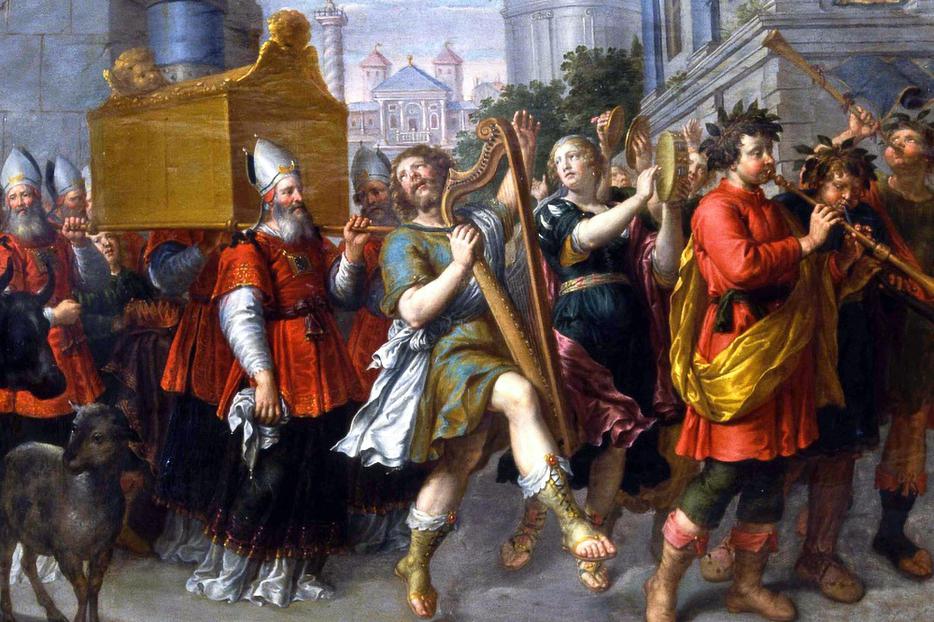
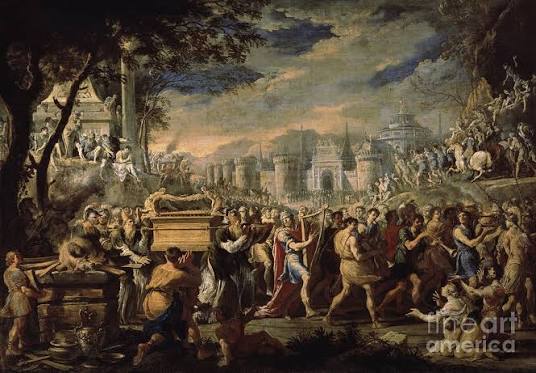
In 1 Chronicles 16, King David delivers what can only be described as a masterpiece of praise. After years of struggle, wandering, and waiting, the ark of God has finally been brought to its proper place. And David's response is not a casual nod of gratitude. It is a full, deliberate, multifaceted act of worship that serves as a blueprint for every generation that follows.
Beginning in verse 8, David calls the people to give thanks to God, to make his deeds known among the peoples, to sing to him, to talk of all his wondrous works, and to glory in his holy name. He then moves through a sweeping recounting of everything God has done — his covenant with Abraham, his oath to Isaac, his protection of a wandering and vulnerable people. The message is unmistakable: before you can truly worship, you have to remember.
Worship Requires Memory
One of the most disarming truths in this passage is that genuine worship is anchored in history. David does not call Israel to manufacture a feeling or conjure an emotion. He calls them to look backward — to the track record of a faithful God — and let that remembrance fuel their praise.
This is deeply relevant today. It is easy to withhold worship when a promise has not yet been fulfilled, when a prayer has not yet been answered, when the miracle is still somewhere on the horizon. But David's instruction is clear: the substance of worship is not what God is about to do. The substance of worship is what God has already done and who he has already proven himself to be.
Has God been faithful to you? Has he shown up when no one else would? Has he extended grace in moments when judgment would have been justified? Those are not small things to be filed away and forgotten. They are the very fuel of authentic praise. The Holy Spirit, as described in John 14, teaches believers all things and brings to remembrance everything about God. Sometimes worship begins not with a song but with a memory.
Personal and Corporate, Together
One of the most striking elements of 1 Chronicles 16 is that David does not deliver this psalm in private. He gathers all of Israel. He distributes food to every man and woman. He appoints musicians and singers. Worship here is a unifying communal experience, and that design is intentional.
Scripture is consistent on this point. While personal worship — the kind that happens alone in a car or in a quiet room before dawn — is vital and real, it reaches its full maturity when the family of God responds together. The body of Christ is not a collection of isolated thumbs. It is a full body, every part distinct in gifting and expression, but unified in what it beholds.
This is where many communities of faith find themselves fragmented. Being in the same room does not create unity. Singing the same words does not create unity. Beholding the same God does. When every member of a congregation — regardless of personality, background, or gifting — is genuinely fixing their gaze on the glory of God, unity is not a goal to be achieved. It is a natural result.
Ascribing Worth to His Name
David's psalm shifts in its latter half from recounting what God has done to proclaiming who God is. In verses 25 through 27, the language moves into the territory of adoration: great is the Lord and greatly to be praised, honor and majesty before him, strength and gladness in his place.
The Hebrew word translated as "ascribe" means to assign or credit something to its rightful owner. Worship, at its core, is giving God the credit for being God. It is not transactional. It is not conditional. It does not wait for circumstances to improve before it opens its mouth.
The ancient Hebrew words for praise paint a rich picture of what this looks like in practice. Yadah speaks of the surrendered, lifted hand — a posture of total submission and public confession. Halal, from which the word hallelujah is derived, carries the idea of a boisterous, even seemingly foolish celebration of God's greatness. Zamar refers to the plucking of strings, the making of music, the harmonious artistic expression of praise. Tehillah moves into the spontaneous, Spirit-led song — the kind that happens when a believer steps off the script and lets the Holy Spirit lead somewhere unexpected.
These are not denominational preferences. They are biblical expressions of worship that God himself invites from his people.
Worship That Moves Outward
Authentic worship never stays contained within four walls. In verses 23 and 24, David calls the people to declare God's glory among the nations, to tell of his salvation from day to day. True worship, when it takes root in a person's life, inevitably drives them outward — toward the people around them, toward the world that does not yet know the name it was made to praise.
Worship and mission are inseparable. A heart genuinely captured by the greatness of God cannot remain silent about it.
A Revelation, Not a Routine
The invitation today is not to perform worship more skillfully. It is to respond to a revelation. When Israel looked at the ark, remembered their history, and recognized the majesty of God, the only logical response was praise. Not because someone told them to. Because they had seen something true.
The question is not whether you are in a worship service. The question is whether you have had the revelation — of who God is, of what he has done, of the grace that found you when you were not looking for it.
If you have, then you already have everything you need to worship.